How to choose a white that does not feel cold
Most New York apartments face a building across the street, and the wrong white turns gray by noon. Here is how Mimi tests whites before a single wall is painted.
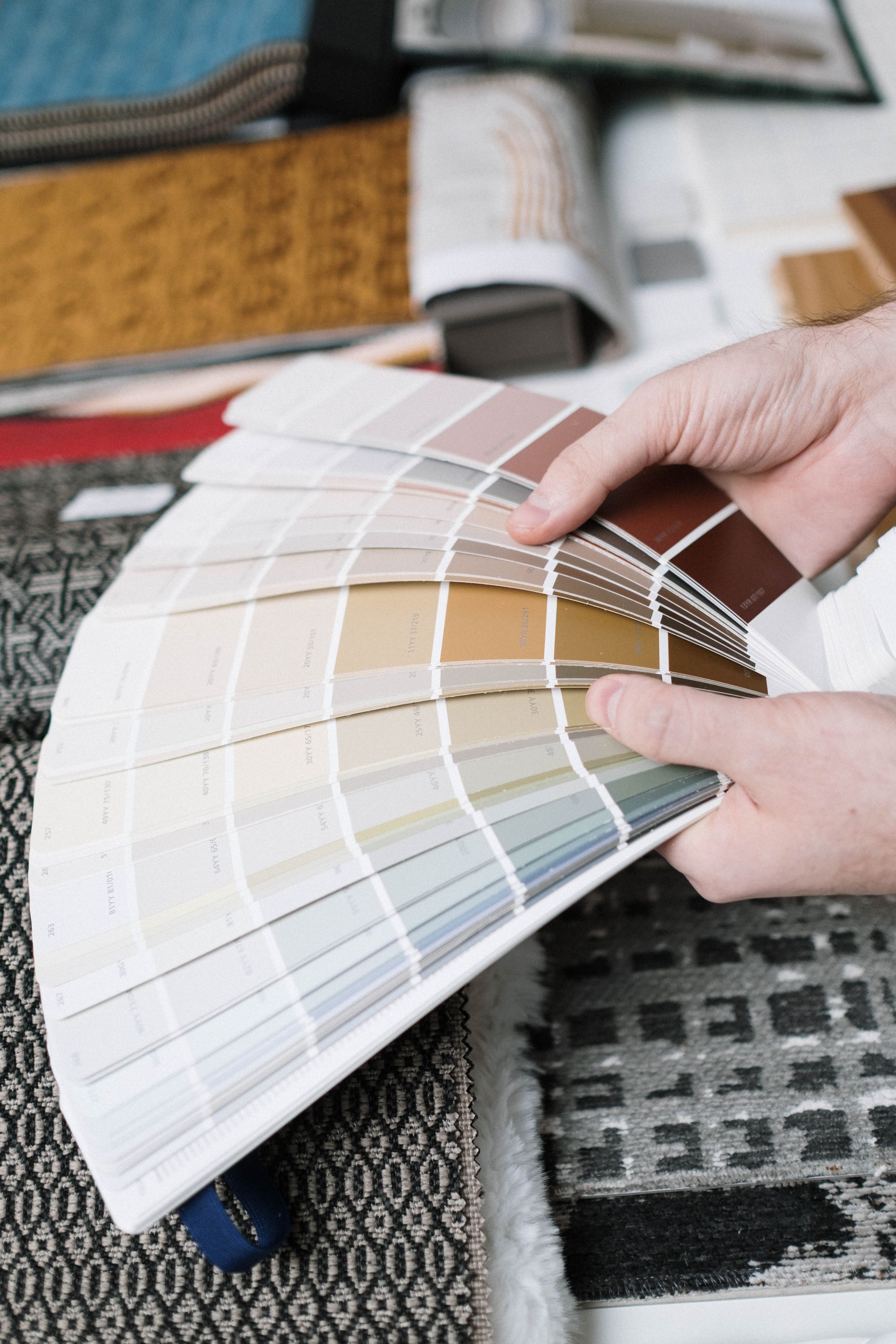
White is the color clients ask for most, and the one they are most often unhappy with. The reason is rarely the paint. It is the light: a north-facing room in Manhattan gets cool, indirect light most of the day, and a white with a blue or gray base will look flat and chilly there.
Look at the undertone, not the name
Hold the sample next to a sheet of plain printer paper. Next to pure white, a warm white shows a hint of yellow or pink, and a cool white shows gray, green or blue. For rooms without direct sun, start with the warm ones.
Test big, and test at three times of day
- Paint a sample board at least 2 by 2 feet, not a small swatch on the wall.
- Move it between the brightest and darkest wall of the room.
- Look at it in the morning, at noon and in the evening with your own lamps on.
Match the white to what stays
Floors, stone counters and window frames usually stay for years. A white that sits well with an orange-toned oak floor is different from one that suits gray tile. Choose the white last, against the materials you already have.